
Understanding the Ecosystems That Support Bay Roberts
Healthy ecosystems are all around us — from the forests and wetlands surrounding our town to backyard gardens and community green spaces, nature is constantly working behind the scenes to support clean air, healthy soils, pollinators, wildlife, and people.
Many of these processes go unnoticed, but they play an essential role in creating a healthy and resilient community.
What Is an Ecosystem?
An ecosystem is a community of living things interacting with each other and their environment.
Plants, animals, fungi, insects, soil, water, and even the air are connected through complex relationships that help keep natural systems functioning.
When ecosystems are healthy, they become more resilient to environmental changes and better able to support biodiversity.
Nature Works for Us
Many natural systems provide benefits known as ecosystem services.
These are the services that nature provides free of charge every day.
Healthy ecosystems help:
- Filter water
- Reduce flooding
- Prevent erosion
- Improve air quality
- Store carbon
- Cool our communities
- Support pollinators
- Provide habitat for wildlife
Protecting these natural systems helps reduce environmental impacts while improving quality of life.
The Hidden World Beneath Your Feet
Healthy soil is alive.
A single handful of healthy soil contains billions of microorganisms including bacteria, fungi, insects, and other organisms that help plants grow.
These organisms:
- Break down organic matter
- Release nutrients into the soil
- Improve soil structure
- Increase water retention
- Support healthy root systems
Healthy soil forms the foundation of every successful garden, forest, and ecosystem.
Nature’s Underground Network
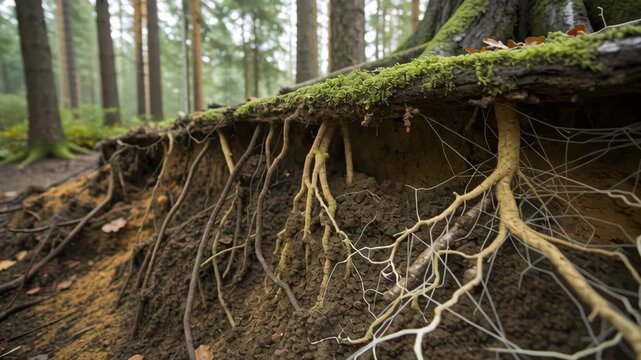
Beneath the soil exists an extraordinary partnership between plants and fungi.
Many plants form relationships with beneficial fungi called mycorrhizae.
These fungi connect to plant roots and help them absorb water and nutrients from the soil.
In return, plants provide sugars produced through photosynthesis.
Scientists often refer to these underground connections as a “wood wide web” because they form networks throughout the soil.
These networks help improve plant health, increase resilience during drought, and contribute to healthier ecosystems.
While invisible to us, they are working constantly beneath our feet.
Why Compost Matters
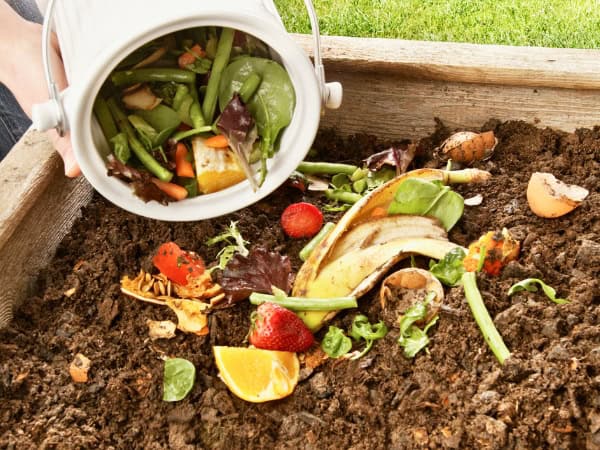
Composting is one of the simplest ways residents can support healthy soil.
When food scraps and yard waste are sent to landfill, valuable nutrients are removed from the natural cycle.
Composting transforms organic materials into nutrient-rich soil that can be returned to gardens and landscapes.
Benefits of composting include:
- Improved soil health
- Increased moisture retention
- Reduced waste sent to landfill
- Reduced need for fertilizers
- Stronger plant growth
Common compost materials include:
- Fruit and vegetable scraps
- Coffee grounds
- Eggshells
- Leaves
- Grass clippings
- Garden trimmings
Composting helps return nutrients to the soil where they can be used again.
Pollinators and Biodiversity
Pollinators are an important part of healthy ecosystems.
Bees, butterflies, moths, hoverflies, beetles, and other insects help plants reproduce by moving pollen between flowers.
Without pollinators, many plants would struggle to produce seeds, berries, and fruit.
These plants in turn provide food and habitat for wildlife.
Supporting pollinators helps strengthen biodiversity throughout the community.
Small Actions, Big Impact
Healthy ecosystems are built through many small actions.
Residents can help by:
- Planting trees
- Supporting pollinators
- Composting organic waste
- Reducing pesticide use
- Choosing non-invasive plants
- Protecting natural areas
- Learning about local ecosystems
Together, these actions help create a healthier, greener, and more resilient Bay Roberts for future generations.
Trees as Ecosystem Builders
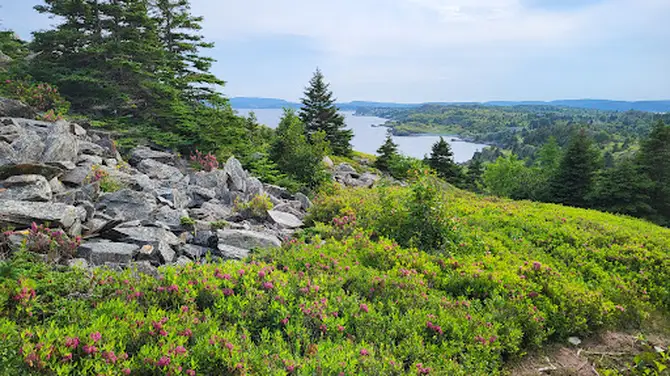
Trees are among the most valuable parts of any ecosystem.
They provide:
- Shade
- Wildlife habitat
- Food sources
- Carbon storage
- Stormwater management
- Air filtration
A mature tree supports countless organisms, from insects and fungi to birds and mammals.
Every tree contributes to a healthier ecosystem.
Wetlands: Nature’s Water Filters
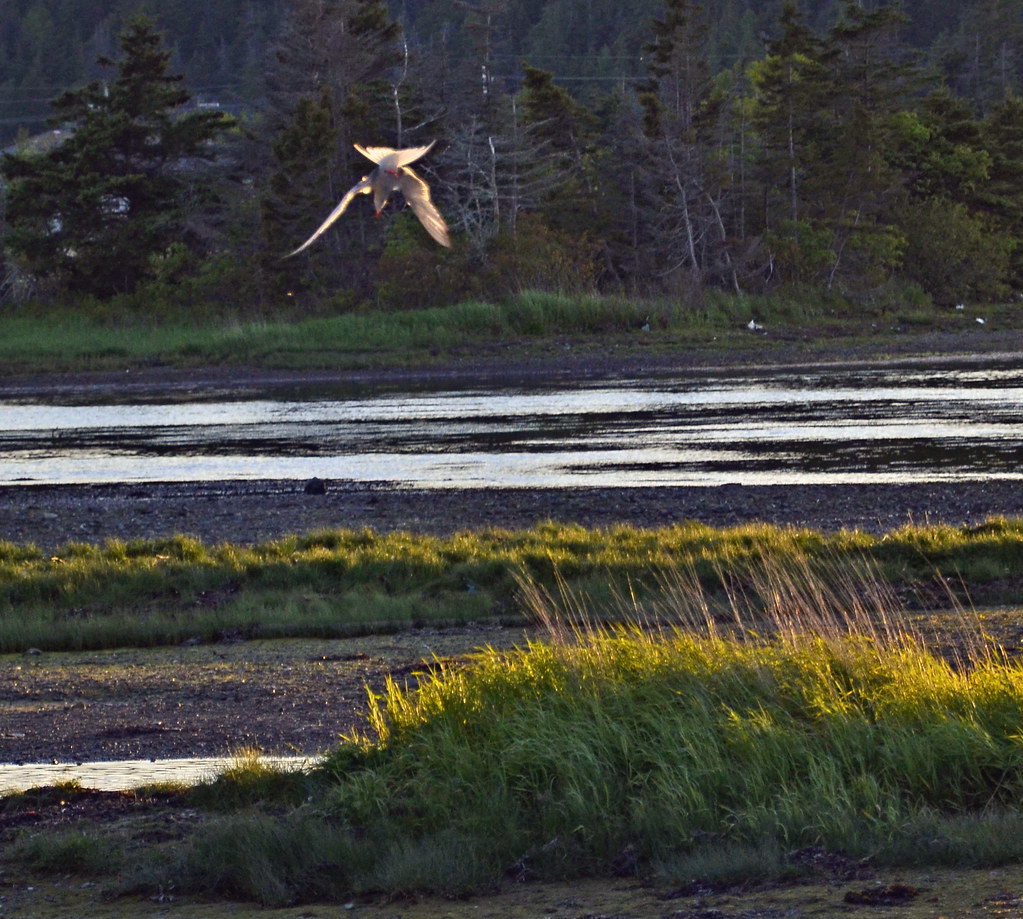
Wetlands are among the most productive ecosystems on Earth.
They help:
- Filter pollutants
- Reduce flooding
- Store water
- Support wildlife
- Improve water quality
Areas such as estuaries, ponds, marshes, and wetlands provide important habitat for many species while protecting surrounding communities from environmental impacts.