Pollinators are among the most important members of a healthy ecosystem. From community gardens and backyard flower beds to orchards and natural areas, pollinators help many plants reproduce and contribute to the biodiversity that makes our environment resilient and productive.
By creating pollinator-friendly landscapes, residents can help support local ecosystems while enjoying beautiful and productive gardens. Whether you plant a container of flowers, create a
pollinator bed, grow herbs, or add a flowering tree to your property, your
efforts contribute to a healthier environment.
What Is a Pollinator?
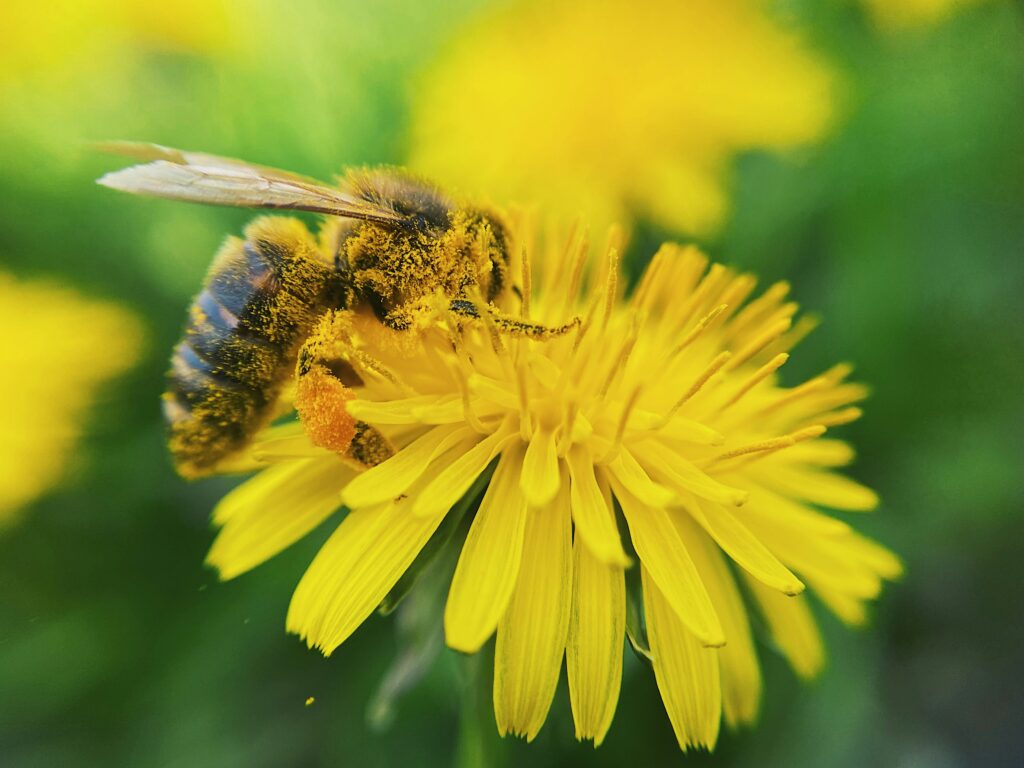
A pollinator is any animal that helps move pollen from one flower to another, allowing plants to produce seeds and fruit.
In Newfoundland and Labrador, common pollinators include:
Native bees
Bumblebees
Butterflies
Moths
Hoverflies
Beetles
While often overlooked, these species play an essential role in maintaining healthy ecosystems.
Why Pollinators Matter
Pollinators help:
✓ Support food production
✓ Improve fruit and vegetable production
✓ Maintain biodiversity
✓ Support birds and wildlife
✓ Strengthen natural ecosystems
Many of the plants that produce berries, fruits, seeds, and other food sources for wildlife depend on pollinators to reproduce successfully.
Pollinators Need More Than Flowers
Flowers provide food, but healthy pollinator populations require much more.
Many native bee species nest underground or in hollow stems. Butterflies and moths require shelter throughout their life cycles, while beneficial insects often depend on shrubs, trees, and naturalized areas for protection.
A healthy pollinator habitat provides:
Food throughout the growing season
Shelter from wind and weather
Nesting areas
Water sources
Plant diversity
The most effective pollinator gardens focus on creating habitat, not just planting flowers.
A healthy ecosystem depends on a wide variety of pollinators. By planting diverse gardens, reducing pesticide use, and creating safe habitats for insects, residents can help support these important species throughout Bay Roberts.
Pollinator-Friendly Plants for Bay Roberts
The following plants are hardy, widely available, and well suited to local growing conditions.
Early Season Blooms
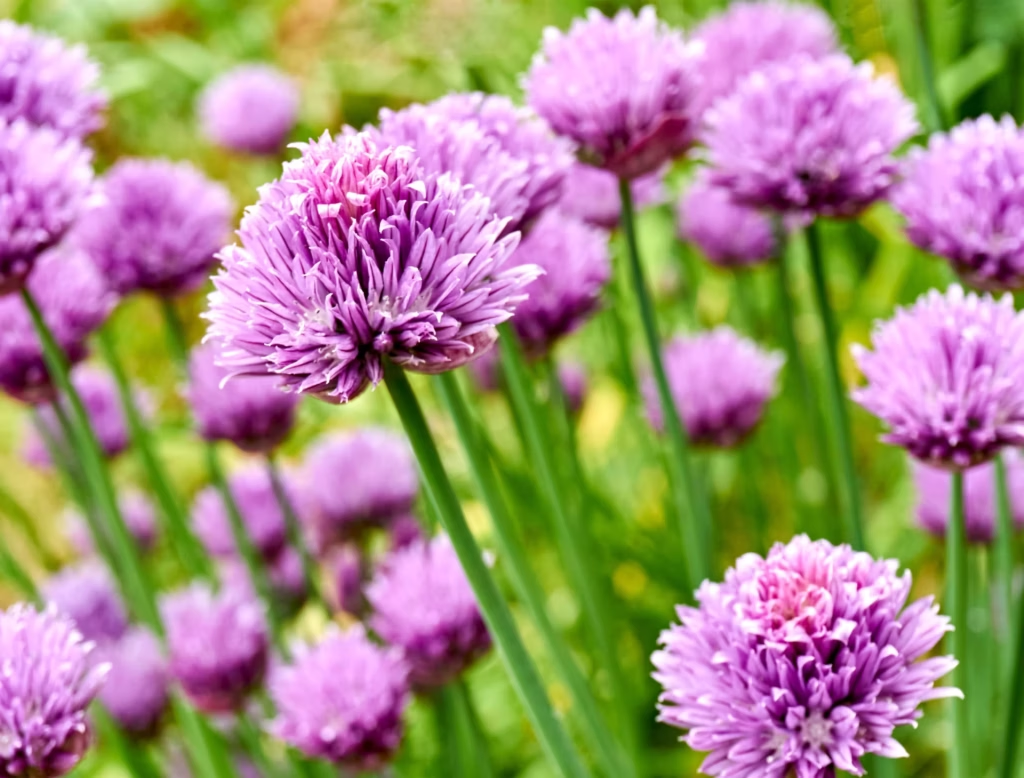
Chives
Benefits:
One of the first flowers available each spring
Excellent early-season nectar source
Edible and easy to grow in gardens and containers
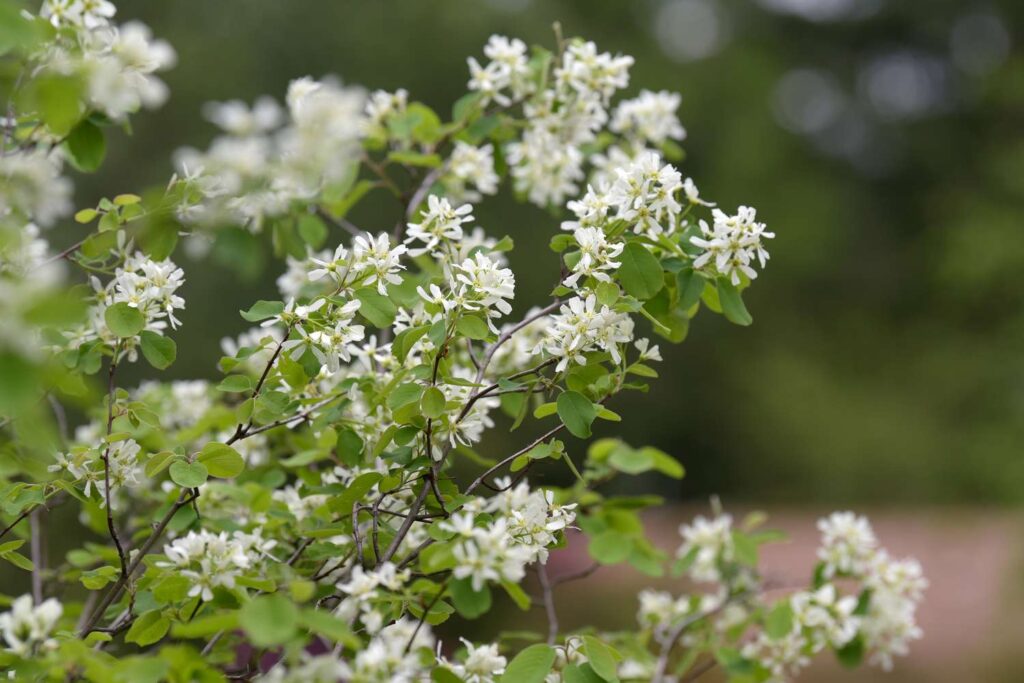
Serviceberry
Benefits:
Early spring blossoms
Supports pollinators and birds
Edible berries for wildlife and people
Summer Blooms
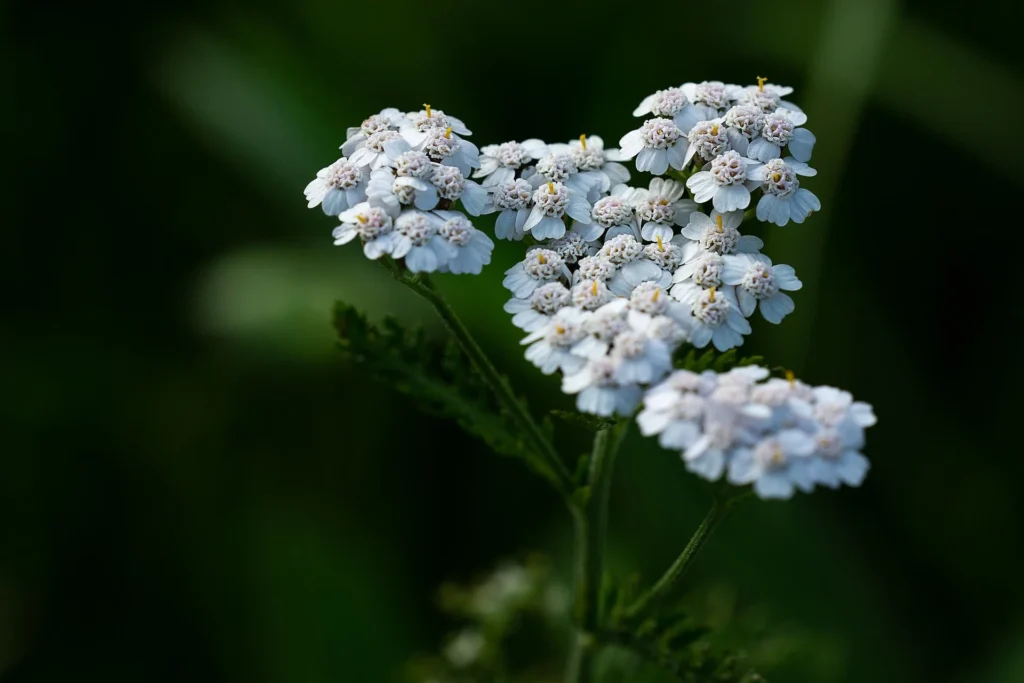
Yarrow
A hardy perennial that performs well in a variety of conditions.
Benefits:
Long flowering period
Supports a wide variety of beneficial insects
Drought tolerant once established
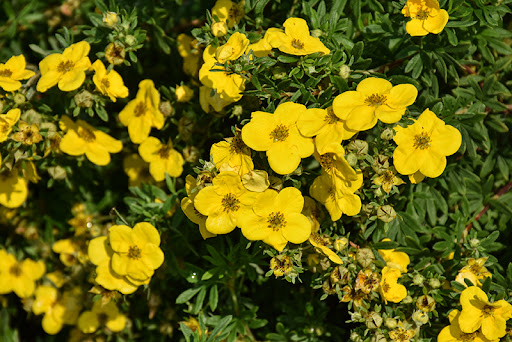
Potentilla
A flowering shrub commonly used in Newfoundland landscapes.
Benefits:
Long blooming season
Excellent shrub for foundation plantings and borders
Attractive to pollinating insects
Bee Balm
A colourful and reliable pollinator plant.
Benefits:
Rich nectar source
Long bloom period
Excellent garden performer adding vibrant colour
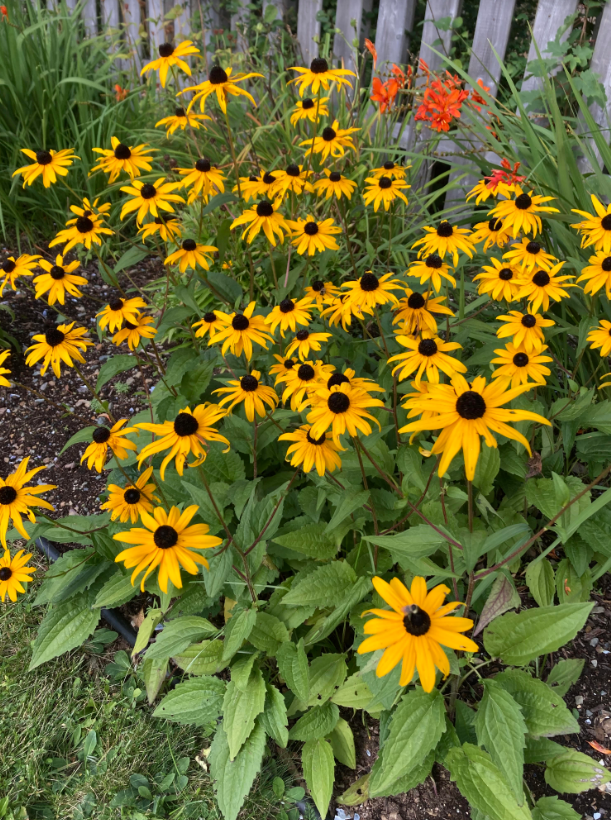
Black-Eyed Susan
A low-maintenance favourite.
Benefits:
Easy to grow for beginner gardeners
Supports pollinators throughout summer
Bright seasonal colour
Late Season Blooms
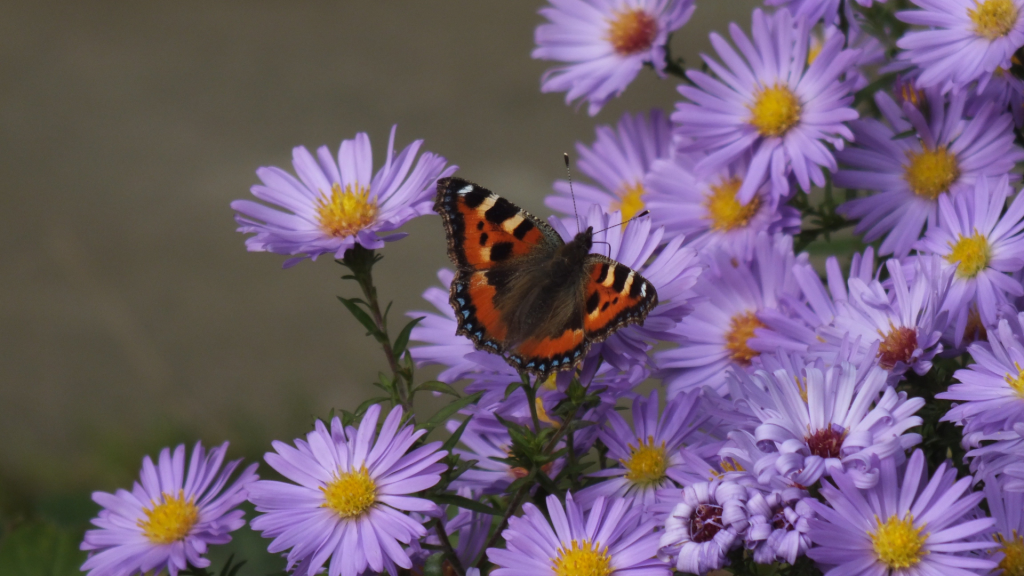
Asters
Benefits:
Important late-season nectar source
Extends pollinator habitat and garden colour into autumn
Easy to maintain
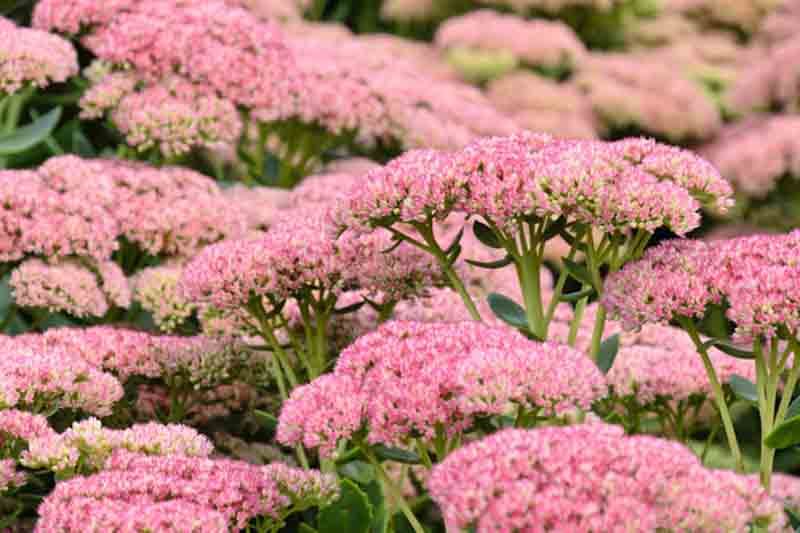
Sedum ‘Autumn Joy’
Benefits:
Blooms after many other plants have finished
Valuable food source before winter
Requires little maintenance
Creating a Pollinator-Friendly Yard
You do not need a large property to support pollinators. Simple actions can make a significant difference.
Plant a Variety of Species
A mix of flowers, shrubs, and trees creates a more resilient habitat.
Plant for Continuous Bloom
Choose plants that flower in spring, summer, and autumn.
Plant in Groups
Clusters of the same species are easier for pollinators to locate than isolated plants.
Include Trees and Shrubs
Many pollinators rely on flowering trees and shrubs for some of their earliest food sources each spring. Trees and shrubs also provide shelter and habitat for many species.
These features provide habitat for many beneficial insects throughout the year.
Plants to Avoid
Some commonly available plants can spread aggressively and negatively impact local ecosystems.
Residents are encouraged to avoid planting:
Goutweed
Yellow Flag Iris
Japanese Knotweed
Purple Loosestrife
When selecting new plants, choose non-invasive species suitable for Newfoundland gardens.
Pollinators and Food Security
Many fruits, vegetables, and berry-producing plants depend on pollinators.
Healthy pollinator populations help support:
Apple trees
Cherry trees
Serviceberries
Vegetable gardens
Community gardens
Orchard plantings
Protecting pollinators helps strengthen local food production and environmental sustainability.
Pollinators Through the Seasons
Supporting pollinators is a year-round effort. Small actions throughout the seasons can help create healthier habitats and stronger ecosystems throughout our town.