Growing a Healthier, More Resilient Community
Greener Bay Roberts is an environmental stewardship initiative that celebrates the connection between people, nature, and community.
Through tree planting, pollinator habitats, sustainable gardening, biodiversity conservation, and environmental education, we can all play a role in creating a greener and more resilient Bay Roberts.
Whether you are planting a tree, tending a garden, supporting pollinators, composting organic materials, or simply learning more about the natural world around you, every action contributes to a healthier environment for future generations.
Healthy ecosystems provide benefits that support our community every day:
- Trees help cool our neighbourhoods, improve air quality, reduce stormwater runoff, and provide habitat for wildlife
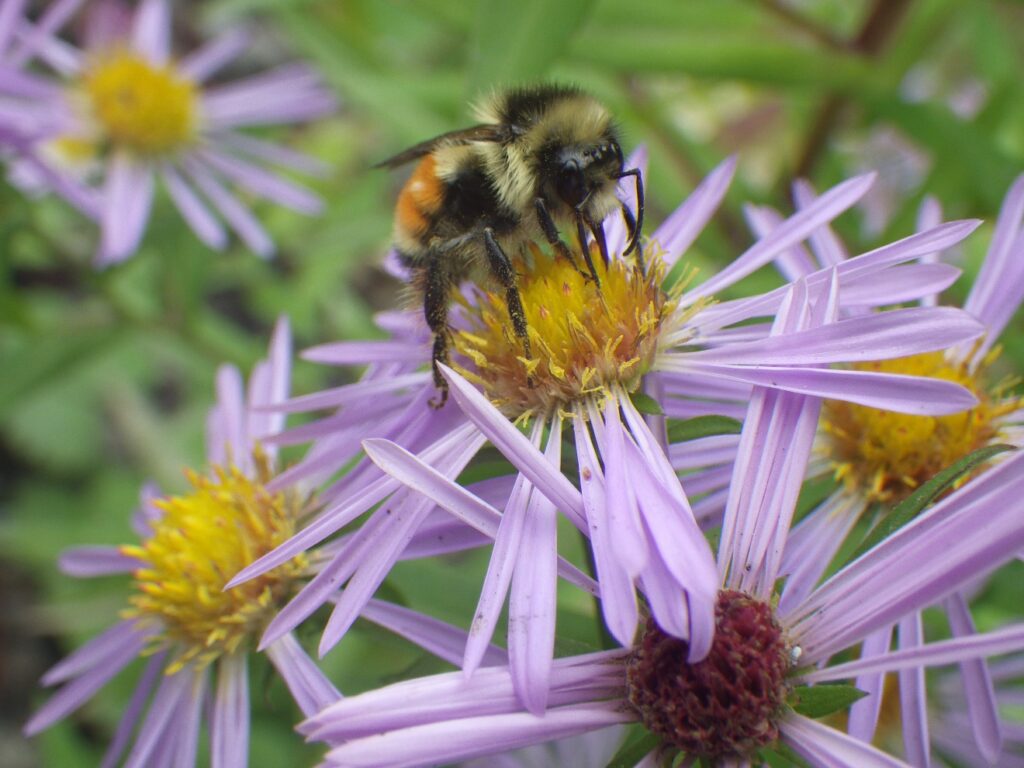
- Pollinators support biodiversity and food production by helping plants reproduce
- Healthy soils recycle nutrients, store water, and support thriving gardens and landscapes.
Together, these natural systems help make Bay Roberts a more beautiful, sustainable, and resilient place to live.
Our Vision
We envision a community where healthy ecosystems, thriving trees, vibrant gardens, productive landscapes, and engaged residents work together to create a greener, healthier, and more resilient community for generations to come.
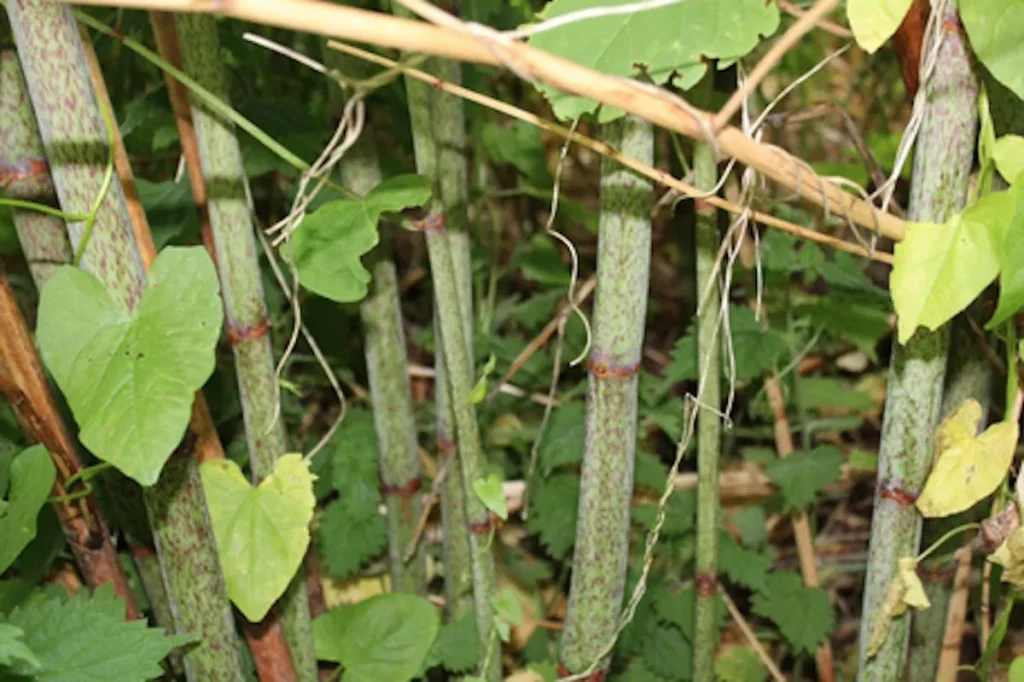
Growing Food & Sustainability
Connecting Gardens, Community, and the Environment
Growing food is one of the oldest and most rewarding ways people interact with the natural world.
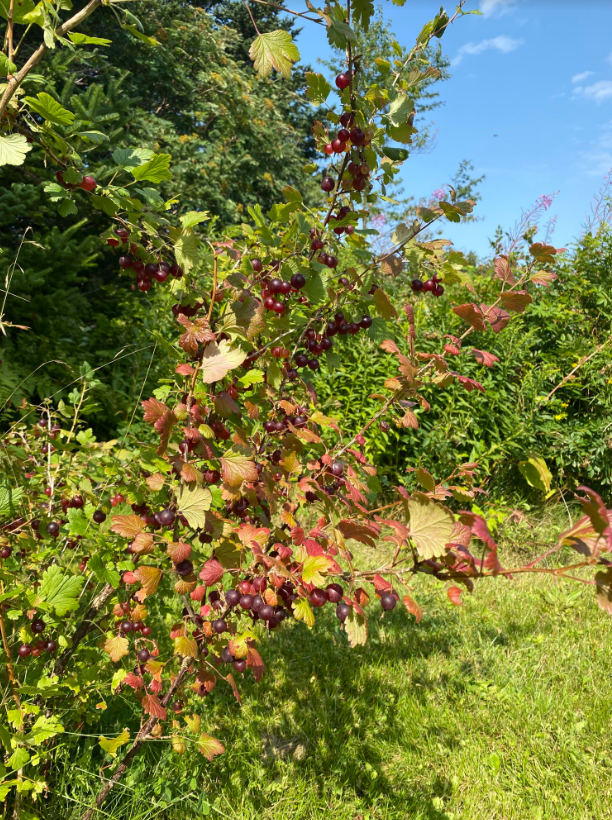
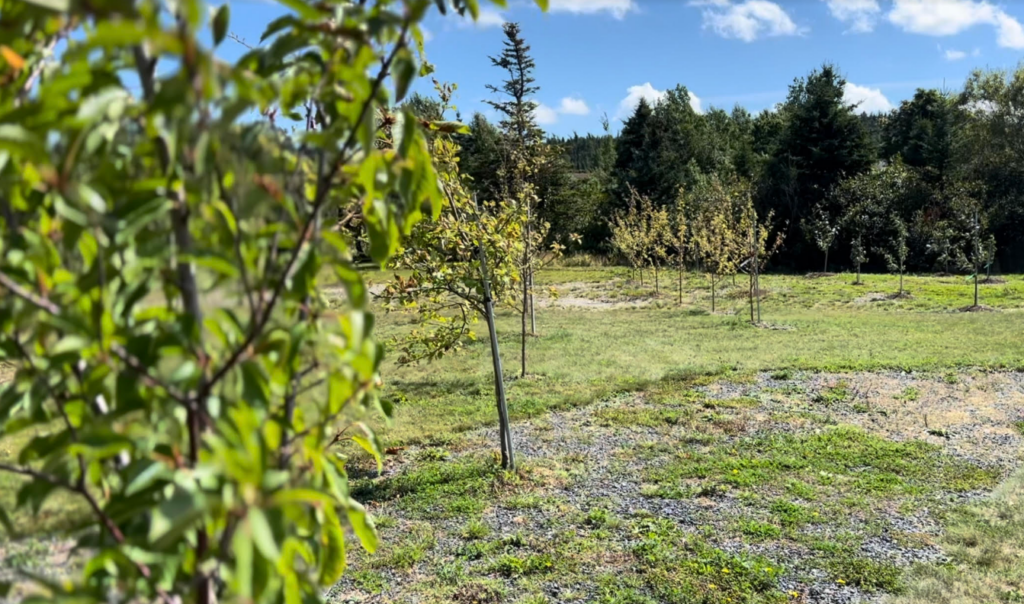
From backyard vegetable gardens and fruit trees to community plots and orchards, local food production helps strengthen communities, support biodiversity, reduce food transportation, and foster a deeper connection to the environment.
Whether you grow a single container of herbs or maintain a large vegetable garden, every garden contributes to a more sustainable Bay Roberts.
Why Grow Food Locally?
Growing food close to home provides many benefits.
Local food production helps:
- Reduce transportation-related emissions
- Improve food security
- Support pollinators and biodiversity
- Encourage healthy outdoor activity
- Strengthen community connections
- Increase awareness of seasonal food production
Food gardens also provide valuable habitat for pollinators and beneficial insects.
Food Gardens as Ecosystems
A healthy food garden is more than a collection of vegetables.
Vegetable gardens, berry patches, fruit trees, compost piles, and flowering plants work together to create a small ecosystem that supports many forms of life.
Healthy gardens provide:
- Food for people
- Habitat for pollinators
- Shelter for beneficial insects
- Improved soil health
- Increased biodiversity
The most productive gardens often support the greatest diversity of life.
Composting and Closing the Loop
Composting helps return nutrients to the soil and reduces the amount of organic waste sent to landfill.
Materials suitable for composting include:
- Fruit and vegetable scraps
- Coffee grounds
- Eggshells
- Leaves
- Grass clippings
- Garden trimmings
Finished compost improves soil structure, increases water retention, and provides nutrients for plants.
Composting is one of the easiest ways residents can contribute to a more sustainable community.
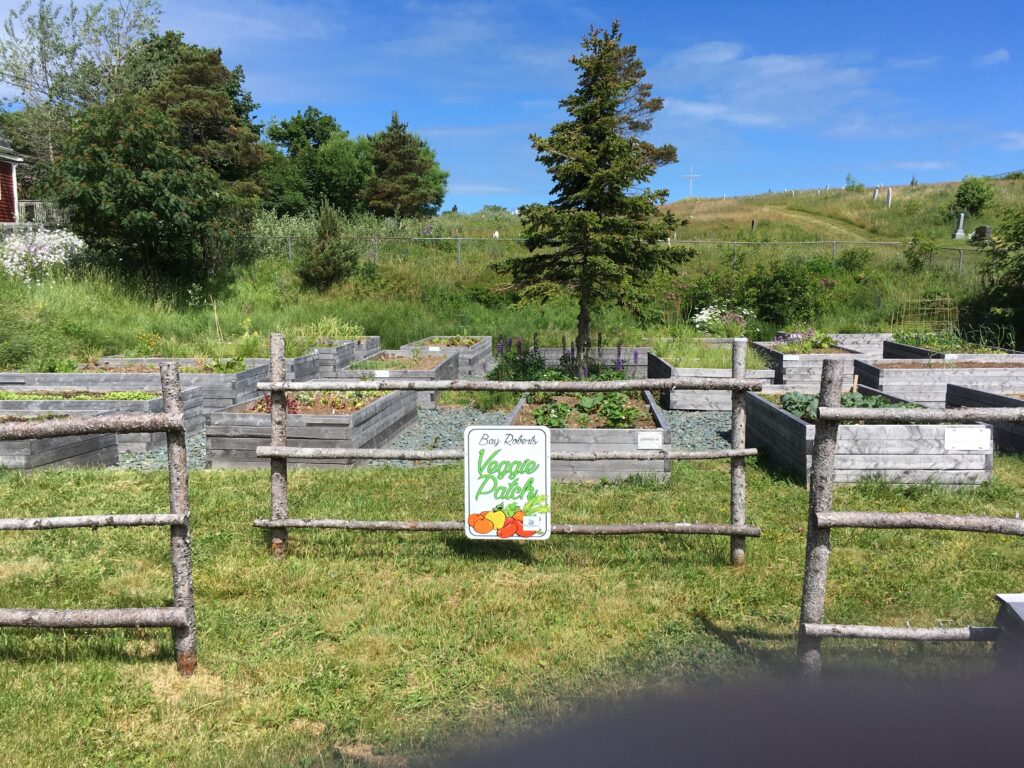
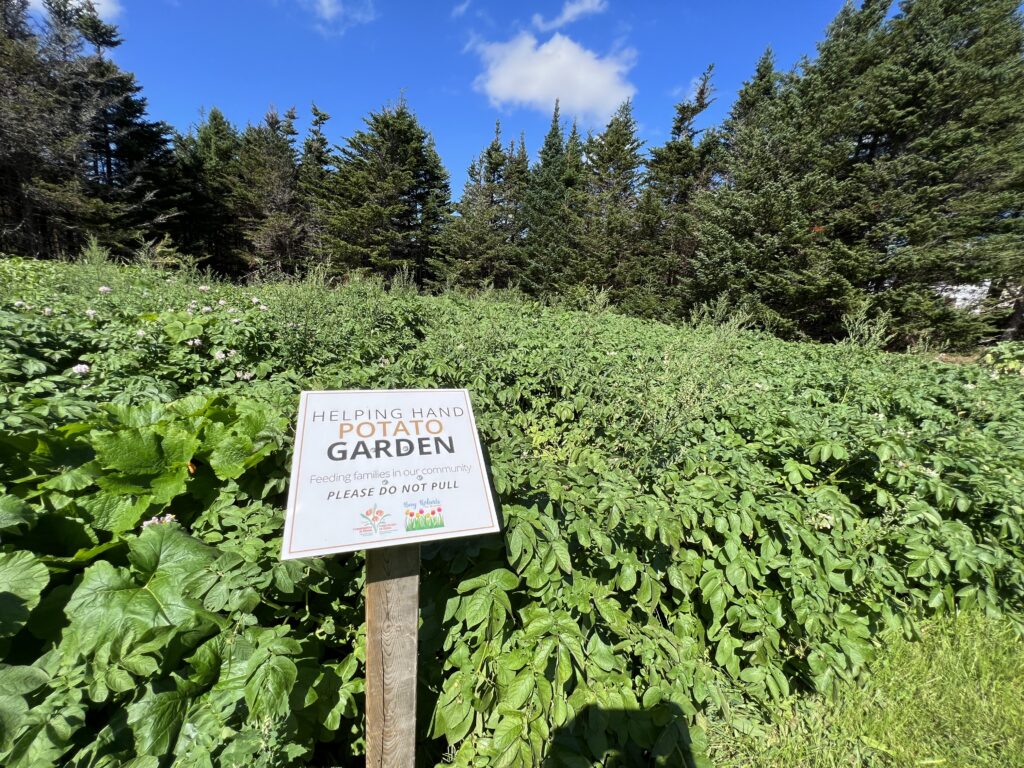
Community Gardens and Shared Spaces
Community gardens provide opportunities for residents to grow food, learn new skills, and connect with neighbours.
These spaces also support pollinators, biodiversity, and environmental education while encouraging active lifestyles and local food production.
Community gardens demonstrate how small individual efforts can create significant community benefits.
Pollinators and Food Production
Many fruits and vegetables depend on pollinators.
Examples include:
- Apples
- Cherries
- Serviceberries
- Cucumbers
- Squash
- Pumpkins
- Strawberries
- Raspberries
Without pollinators, many crops would produce fewer fruits and seeds.
Planting flowers alongside vegetables can help attract pollinators and improve garden productivity.
Growing Food in Small Spaces
You do not need a large property to grow food.
Many edible plants thrive in:
- Raised beds
- Containers
- Balconies
- Small backyard gardens
Popular options include:
- Lettuce
- Kale
- Chives
- Parsley
- Mint
- Strawberries
- Tomatoes
Even a small garden can provide fresh produce throughout the growing season.
Every Harvest Matters
Whether you grow herbs on a windowsill, maintain a backyard vegetable patch, or participate in a community garden, your efforts contribute to a healthier and more sustainable Bay Roberts.
Together, local food production, composting, and environmental stewardship help create stronger communities and healthier ecosystems for future generations.