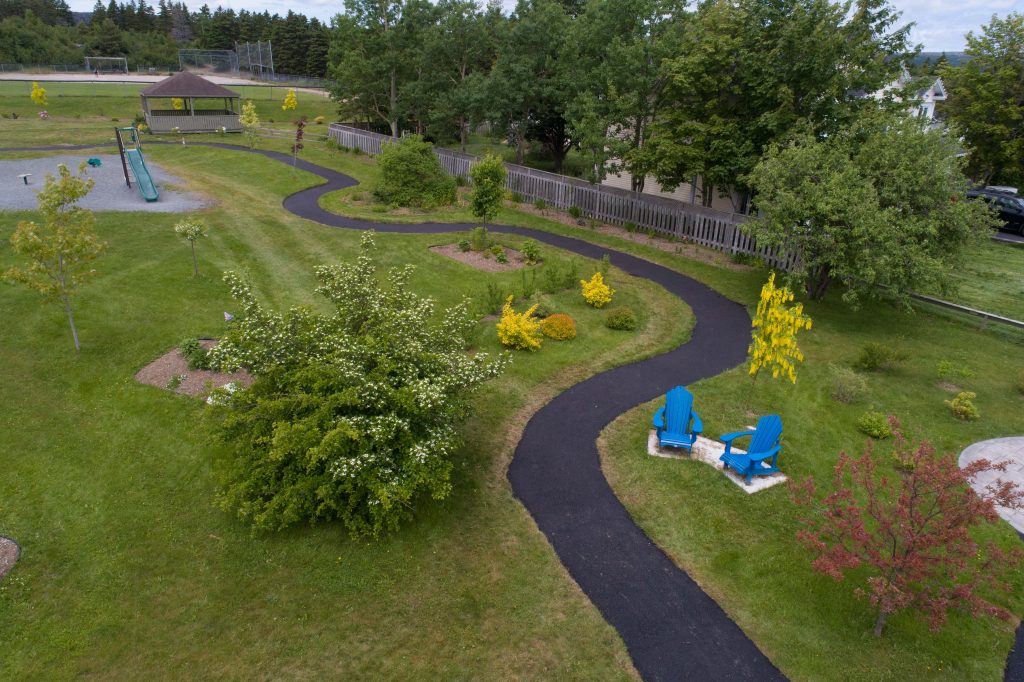
Connecting Communities Through Nature
The Bay Roberts Pollinator Pathway is a growing network of gardens, parks, natural areas, public spaces, schools, businesses, and residential properties working together to support pollinators and biodiversity throughout our community.
By creating connected habitat across Bay Roberts, the Pollinator Pathway helps provide food, shelter, and nesting opportunities for native pollinators while encouraging environmental stewardship, education, and community involvement.
Every flower bed, flowering tree, pollinator garden, and natural area contributes to a larger network that supports the health of our local ecosystems.
What Is a Pollinator Pathway?
A Pollinator Pathway is more than a single garden.
It is a connected network of pollinator-friendly habitats that allows pollinators to move safely throughout a community in search of food, shelter, and nesting sites. Even small patches of habitat can make a difference when connected to other pollinator-friendly spaces.
Together, these gardens and natural areas create a living corridor that supports biodiversity across Bay Roberts. Discover our pathway sites, meet the pollinators that call Bay Roberts home, and learn how you can become part of the Bay Roberts Pollinator Pathway.
Explore the Pathway
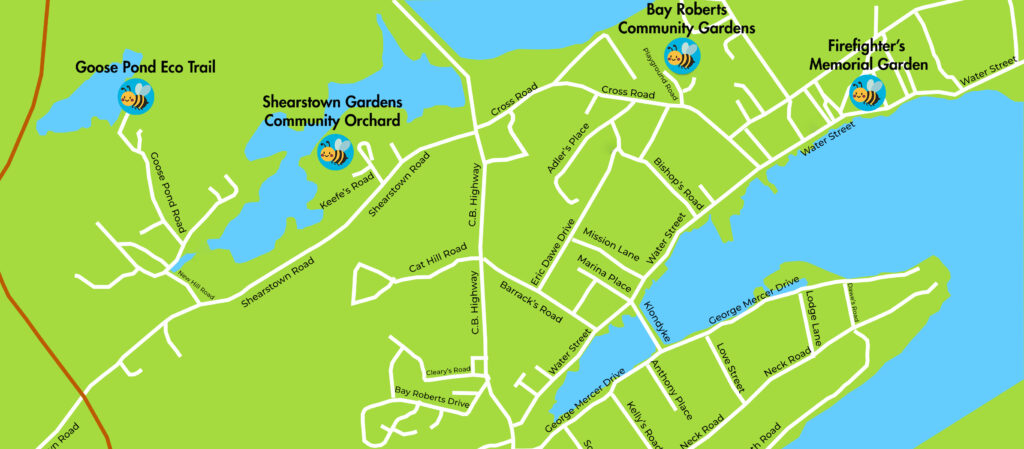
The Bay Roberts Pollinator Pathway includes a growing collection of pollinator-friendly sites throughout the community.
Each location highlights different aspects of pollinator conservation, environmental stewardship, and biodiversity while demonstrating how people and nature can thrive together..
Bay Roberts Community Gardens
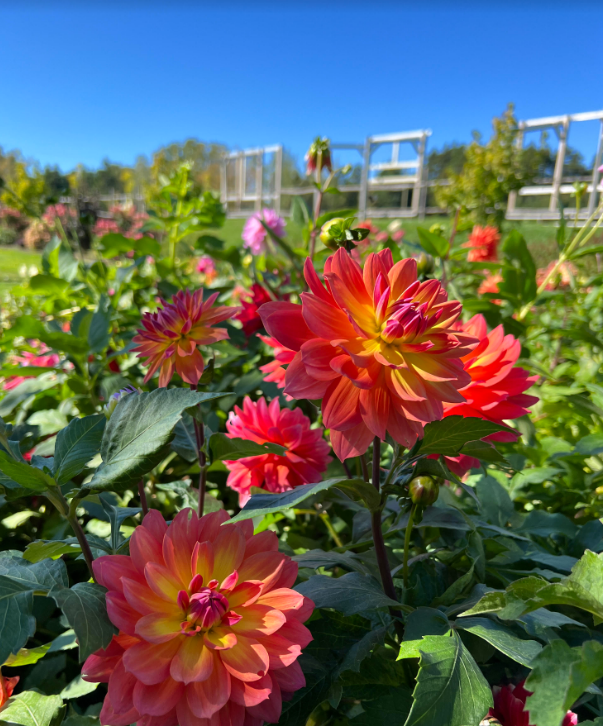
The Bay Roberts Community Gardens is our hub for environmental education, food production, pollinator-friendly gardening, and community involvement. Throughout the growing season, visitors can see firsthand how flowers and native plants work together to support pollinators. The gardens also serve as a gathering place where residents can learn sustainable gardening practices, participate in community projects, and discover simple ways to create pollinator habitat at home.
Community Orchard at the Shearstown Gardens
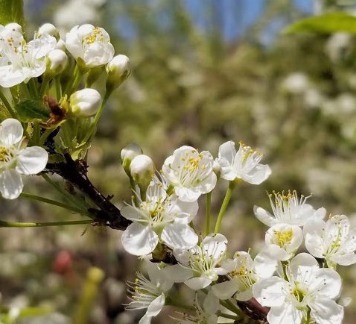
The Bay Roberts Community Orchard showcases the important relationship between pollinators and food production. Flowering fruit trees and shrubs provide an essential source of nectar and pollen in spring while demonstrating how bees and other pollinators help produce the fruits we enjoy. The orchard also contributes to biodiversity by creating habitat for insects, birds, and other wildlife, making it an important stop along the pathway.
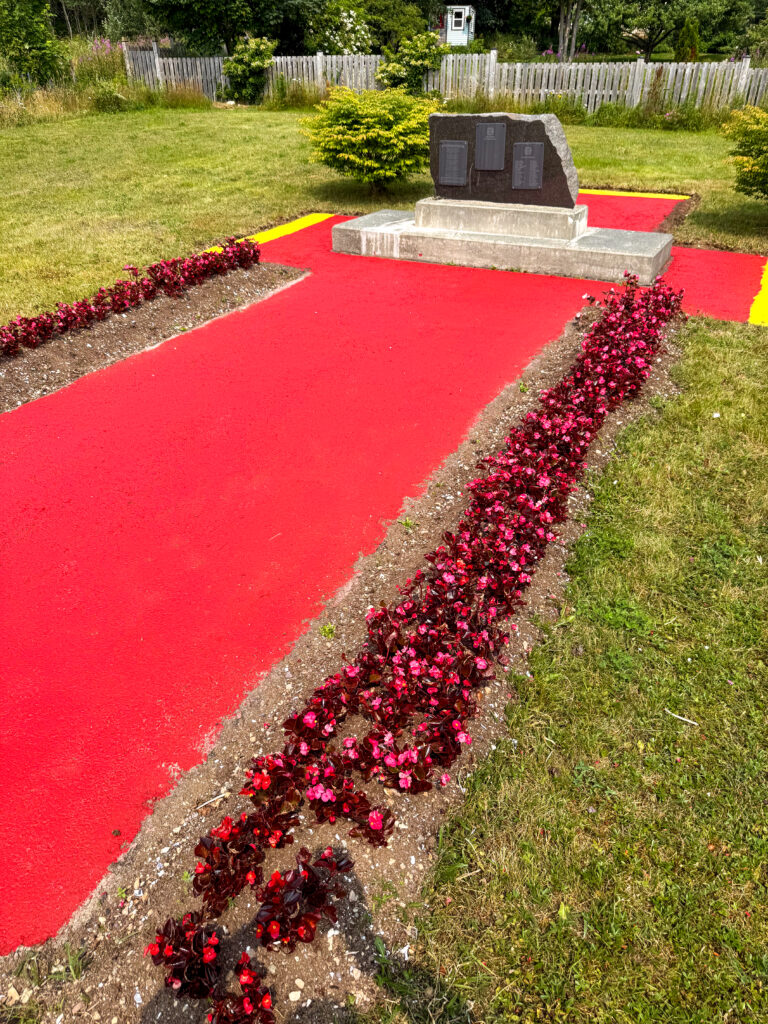
The Firefighters Memorial Garden
The Firefighters Memorial Garden demonstrates how beautiful public landscapes can also support biodiversity. Carefully selected flowering plants provide seasonal food sources for pollinators while creating an attractive and welcoming community space. This garden highlights how even ornamental plantings can play an important role in supporting pollinator populations when designed with ecological value in mind.

The Goose Pond Eco Trail
The Goose Pond Eco Trail offers visitors an opportunity to experience pollinator habitat in a more natural setting. Native vegetation, wetlands, forest edges, and wildflower-rich areas provide food, shelter, and nesting opportunities for a wide variety of pollinators and wildlife. The trail helps connect people with local ecosystems while showcasing the importance of protecting natural habitats as part of a healthy pollinator pathway.
Meet our Pollinators!
Pollinators come in many shapes and sizes, and each one plays an important role in helping plants, flowers, trees, and gardens thrive.
The next time you visit a garden, trail, or natural area in Bay Roberts, see how many of these amazing pollinators you can spot.
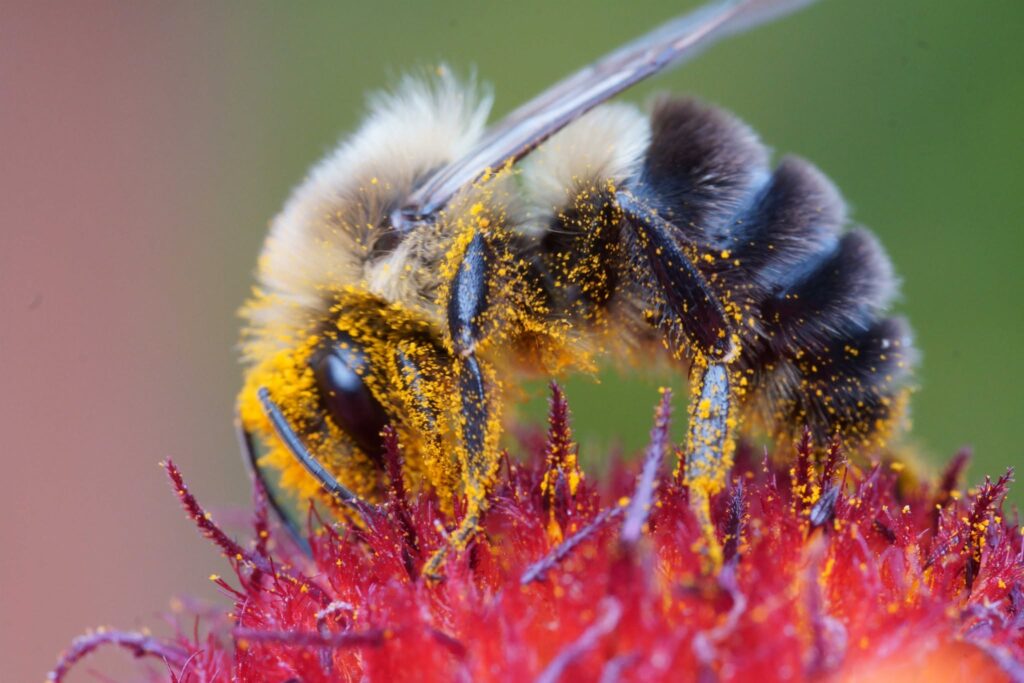
Bumblebees
Bumblebees are among the most important pollinators in Newfoundland and Labrador.
Their fuzzy bodies collect pollen as they move from flower to flower, helping plants produce seeds, berries, and fruit. Unlike many insects, bumblebees can remain active on cool, cloudy days, making them especially important in our climate.
Did You Know?
A bumblebee’s fuzzy body is covered in tiny hairs that help collect pollen, almost like a natural Velcro suit.
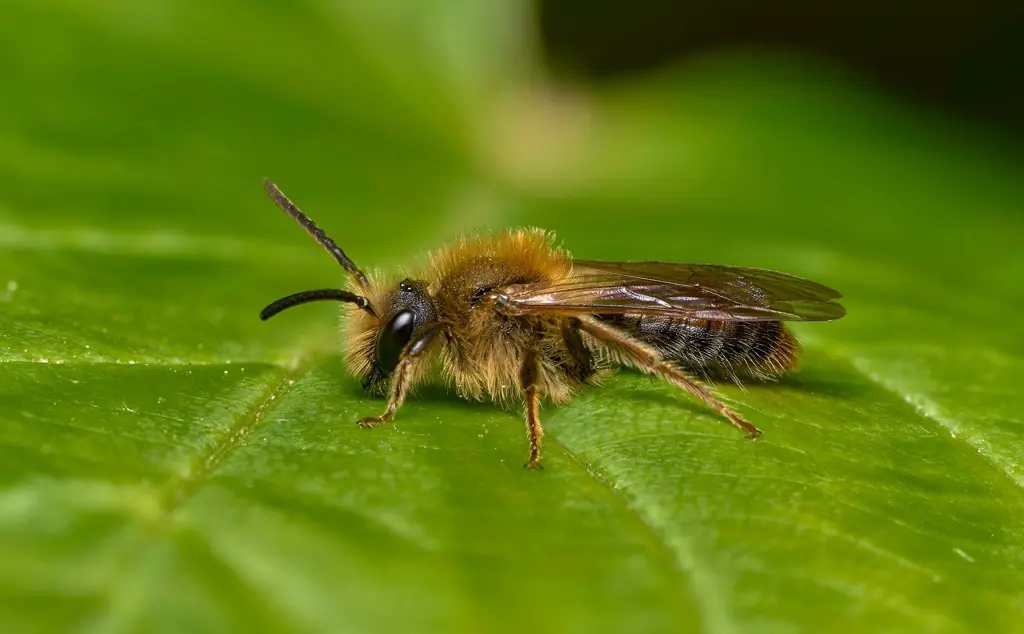
Solitary Bees
Not all bees live in hives.
Most bee species live alone and are known as solitary bees. These hardworking insects often nest underground or inside hollow plant stems.
Although they are much smaller than bumblebees, solitary bees are excellent pollinators and play a major role in healthy ecosystems.
Did You Know?
Many solitary bees visit hundreds of flowers every day while gathering food for their young.
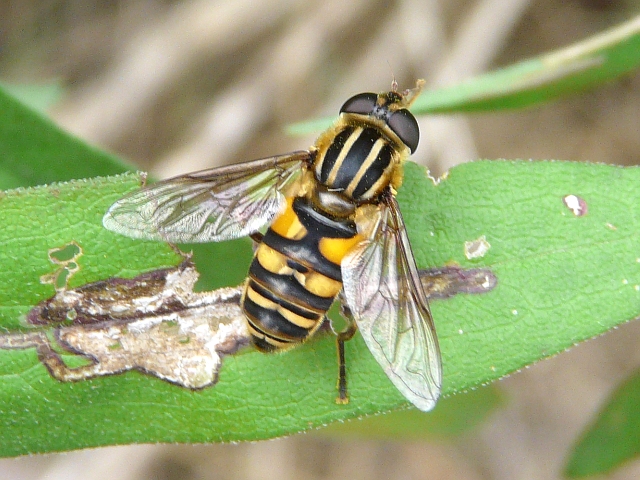
Hoverflies
Hoverflies are often mistaken for bees because many species have yellow and black markings.
Unlike bees, hoverflies only have one pair of wings and cannot sting. They are important pollinators and help gardens by feeding on nectar and pollen.
Many hoverfly larvae also feed on aphids, making them helpful allies for gardeners.
Did You Know?
Hoverflies can fly forwards, backwards, sideways, and even hover in place like tiny helicopters.
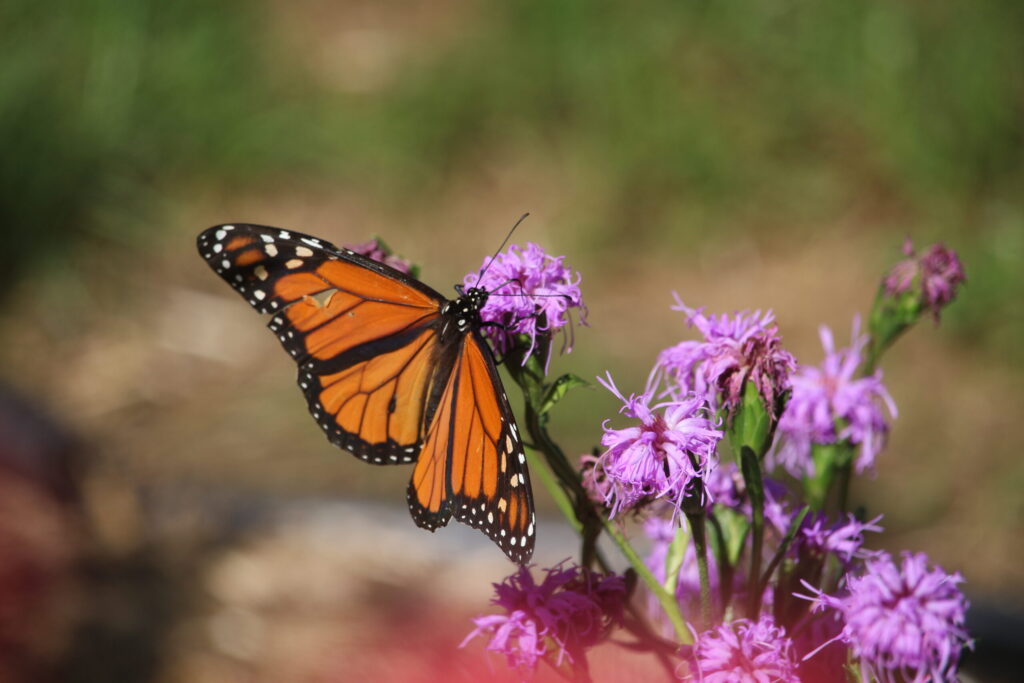
Butterflies
Butterflies are among the most recognizable pollinators.
As they feed on nectar, pollen sticks to their bodies and is carried from flower to flower. Their presence often indicates a healthy and diverse habitat.
Butterflies depend on a variety of plants throughout their life cycle, from caterpillar host plants to nectar-rich flowers.
Did You Know?
Butterflies taste with their feet and can tell if a plant is suitable for laying eggs simply by landing on it.
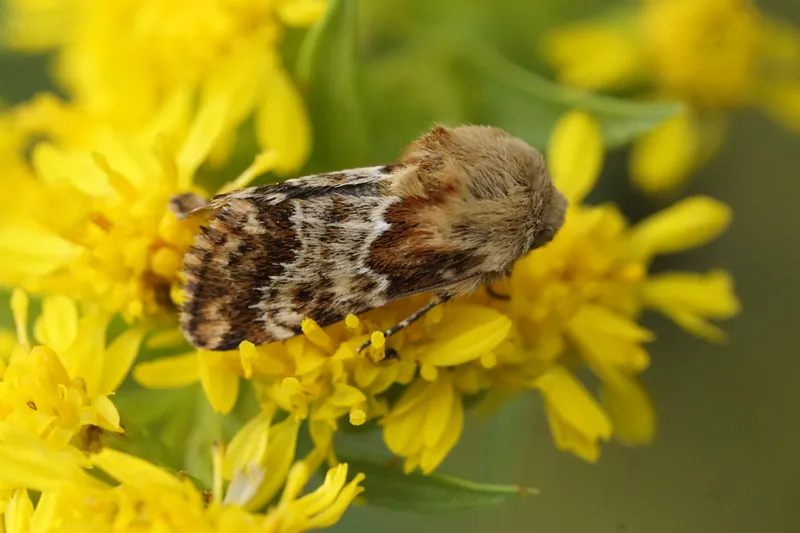
Moths
While butterflies are active during the day, many moths visit flowers after sunset.
These nighttime pollinators help support plants that bloom in the evening and are an important part of local ecosystems.
Many moth species are also an important food source for birds and other wildlife.
Did You Know?
Some moths can fly long distances during migration, helping transport pollen between habitats.
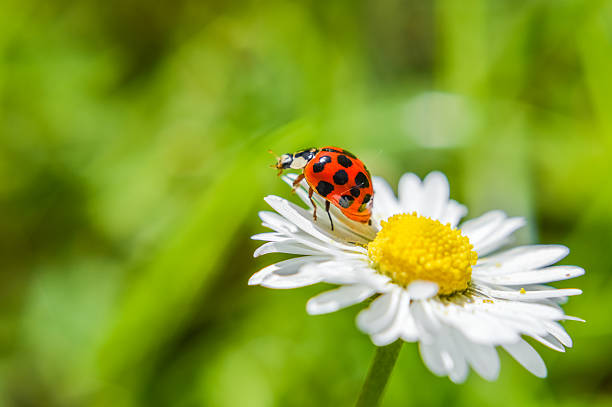
Beetles
Beetles were among the earliest pollinators on Earth.
Although they may not look like typical pollinators, many species visit flowers to feed on pollen and nectar. As they move between plants, they help transfer pollen and support plant reproduction.
Did You Know?
Scientists believe beetles were pollinating plants millions of years before bees evolved.
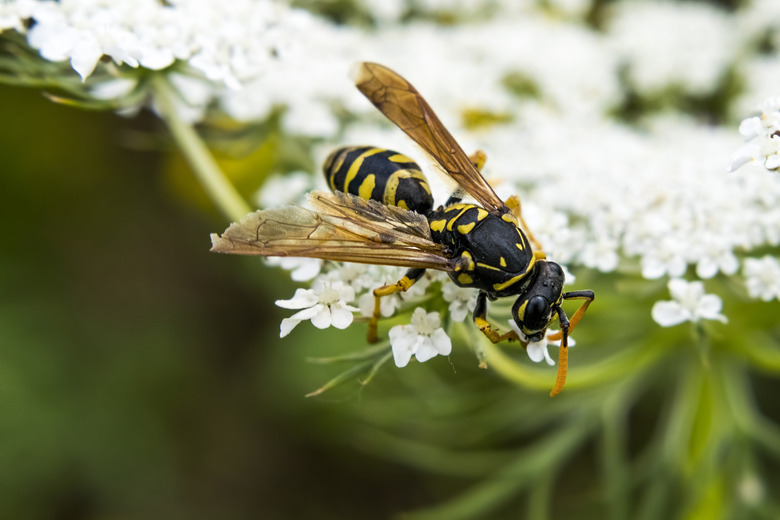
Wasps
Wasps are often misunderstood.
While some species hunt insects, many adult wasps also visit flowers to drink nectar. As they travel between blooms, they can help pollinate plants.
Wasps also help control garden pests, making them valuable members of healthy ecosystems.
Did You Know?
Many wasps help gardeners by feeding on insects that can damage plants and crops.
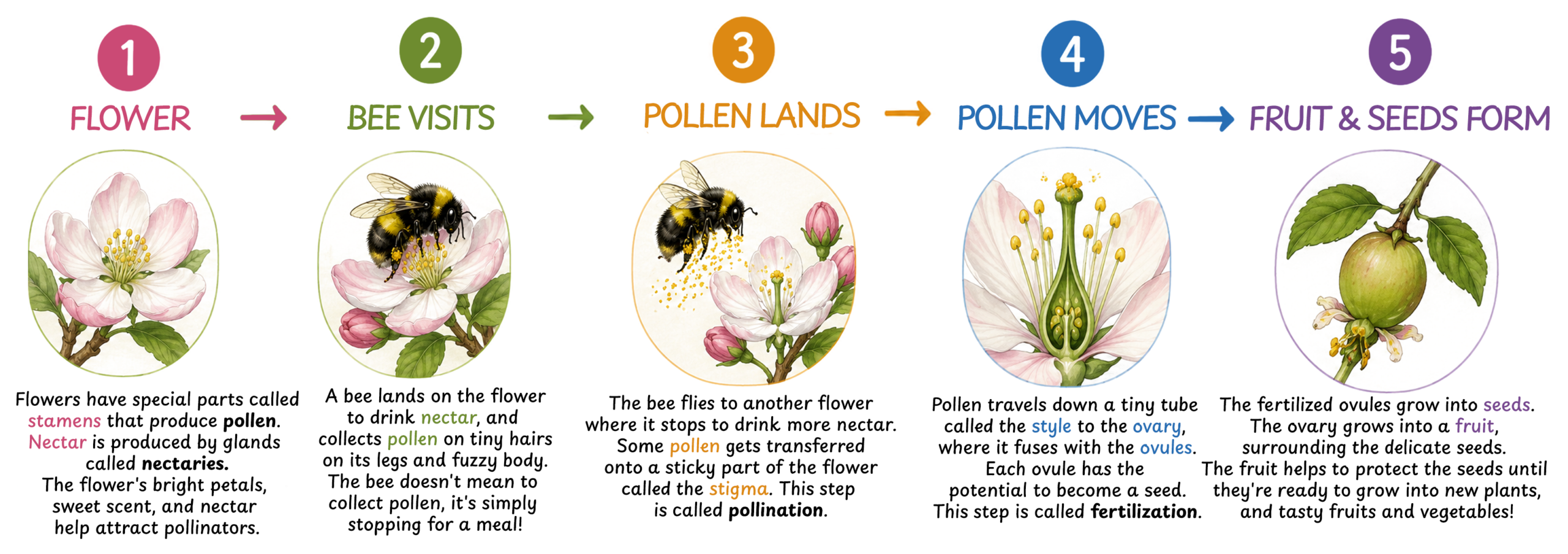
How does pollination work?
Become a Pollinator Detective
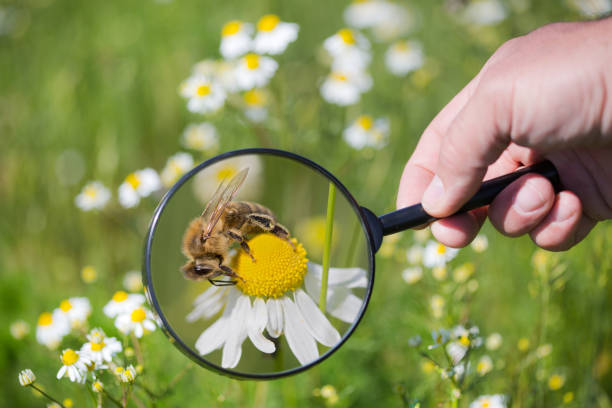
Next time you’re outdoors, take a closer look at the flowers around you.
Can you spot:
- A bumblebee collecting pollen?
- A hoverfly hovering in place?
- A butterfly feeding on nectar?
- A beetle exploring a flower?
Every pollinator you discover is helping support the plants, gardens, and natural areas that make Bay Roberts such a vibrant place to live.
Remember: Look, observe, and take photos, but always give pollinators plenty of space to continue their important work.
Join the Pollinator Pathway
Residents, businesses, schools, and community organizations can help expand the Pollinator Pathway by creating pollinator-friendly habitats on their own properties.
Simple actions include:
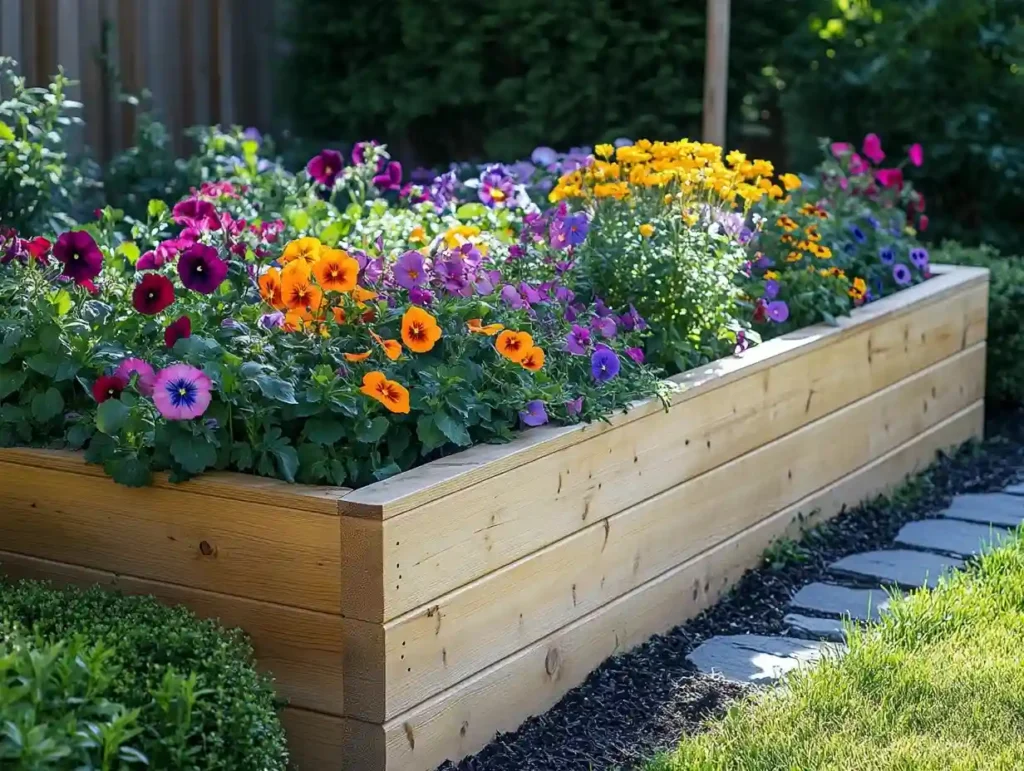
- Planting pollinator-friendly flowers
- Adding flowering shrubs and trees
- Reducing pesticide use
- Leaving some natural habitat
- Composting organic materials
- Providing blooms throughout the growing season
Every property has the potential to become part of the pathway.
Pollinator-Friendly Gardening
Supporting pollinators does not require a large garden.
Whether you plant a container of flowers, a flowering tree, a vegetable garden, or an entire pollinator bed, your efforts help create valuable habitat.
Visit our Greener Bay Roberts resources to learn more about:
- Pollinator-friendly plants
- Trees for pollinators
- Seasonal gardening tips
- Biodiversity and ecosystem health
- Creating habitat at home
Education & Stewardship
The Pollinator Pathway supports environmental education and community engagement through:
- Interpretive signage
- QR code learning stations
- Community planting projects
- Garden tours
- Citizen science initiatives
- Pollinator awareness activities
By learning about pollinators and their role in our environment, residents can help protect and enhance biodiversity throughout Bay Roberts.
Our Vision
We envision a Bay Roberts where gardens, parks, trails, schools, businesses, and residential properties work together to create a connected network of pollinator habitat throughout the community.
Through education, stewardship, and community participation, the Bay Roberts Pollinator Pathway will help support biodiversity, strengthen ecosystems, and contribute to a greener, healthier, and more resilient future for generations to come.