
Protecting Bay Roberts’ Natural Environment
Plants and animals are constantly moving around the world through trade, travel, and human activity. While many introduced species coexist with local ecosystems, some can spread aggressively and cause significant environmental damage.
These species are known as invasive species.
Invasive species can outcompete native plants, reduce biodiversity, alter habitats, and create challenges for landowners, municipalities, and conservation efforts.
Awareness and prevention are among the most effective tools for protecting local ecosystems.
What Is an Invasive Species?
An invasive species is a plant, animal, or other organism that has been introduced outside its natural range and causes environmental, economic, or social harm.
Invasive species often spread quickly because they lack the natural predators and controls found in their native environments.
Why Invasive Species Matter
Invasive species can:
- Reduce biodiversity
- Displace native plants
- Alter wildlife habitat
- Damage wetlands and waterways
- Increase management costs
- Reduce ecosystem resilience
Once established, invasive species can be difficult and expensive to control.
Preventing their spread is often far easier than removing them.
Common Invasive Plants of Concern
What To Do If You Find an Invasive Species
Residents can help reduce the spread of invasive plants by:
- Learning to identify species of concern
- Avoiding the purchase and planting of invasive species
- Choosing non-invasive alternatives
- Properly disposing of invasive plant material
- Reporting significant infestations when appropriate
Invasive plants should never be dumped in natural areas, wetlands, wooded areas, ditches, or along roadsides, as even small plant fragments may establish new populations.
Early detection and responsible management are among the most effective ways to protect local ecosystems.
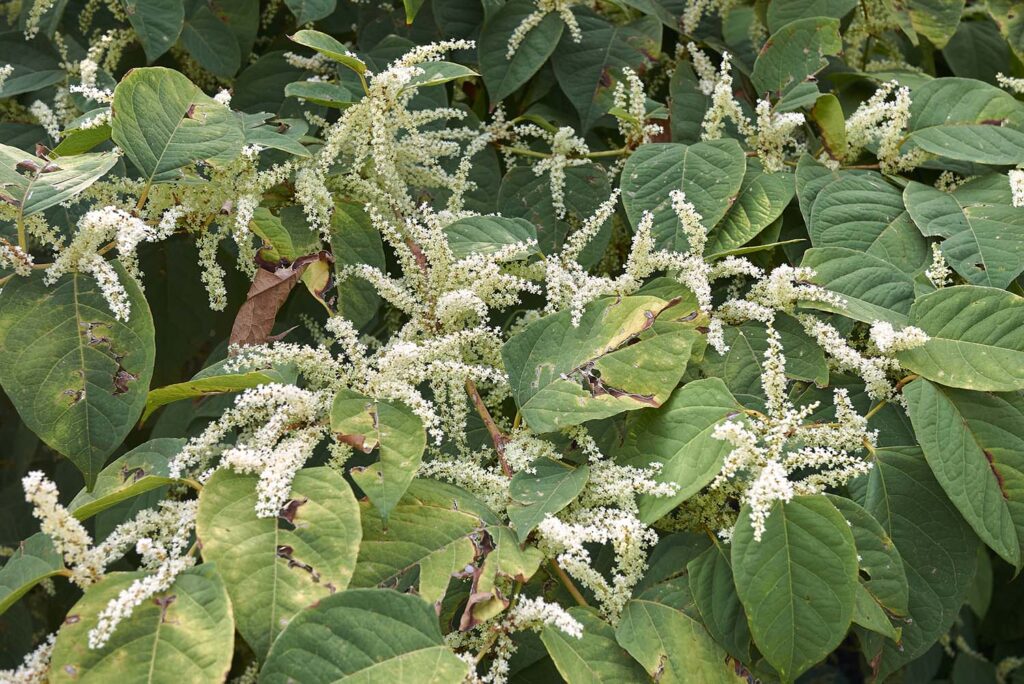
Japanese Knotweed
Why it matters:
- Extremely aggressive growth
- Difficult to remove once established
- Can damage infrastructure, foundations, and paved surfaces
- Spreads through small fragments of roots and stems
Identification Tips:
- Tall bamboo-like stems
- Heart-shaped leaves
- Clusters of small white flowers in late summer
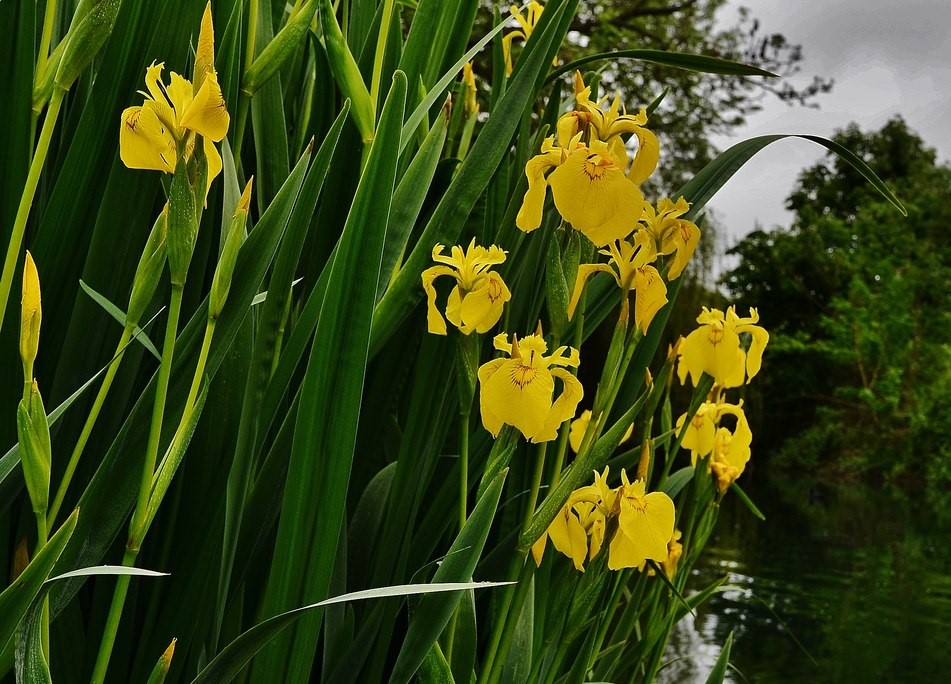
Yellow Flag Iris
Why it matters:
- Spreads aggressively in wetlands and along shorelines
- Forms dense colonies that crowd out native plants
- Can alter sensitive wetland ecosystems
Identification Tips:
- Large yellow iris-like flowers
- Sword-shaped leaves
- Commonly found in wet soils and shallow water
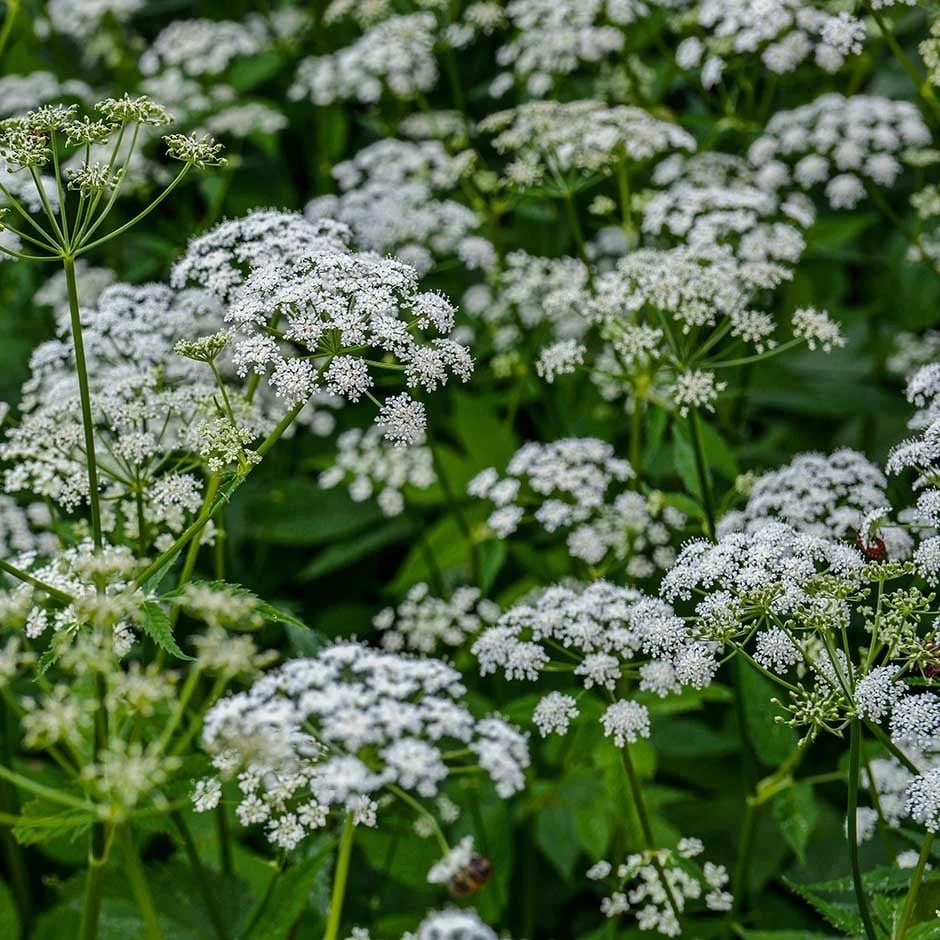
Goutweed
Why it matters:
- Spreads rapidly through underground roots
- Difficult to eradicate once established
- Can outcompete garden plants and native vegetation
- Often escapes from ornamental plantings
Identification Tips:
- Green or variegated leaves divided into three leaflets
- White umbrella-shaped flower clusters
- Forms dense groundcover patches
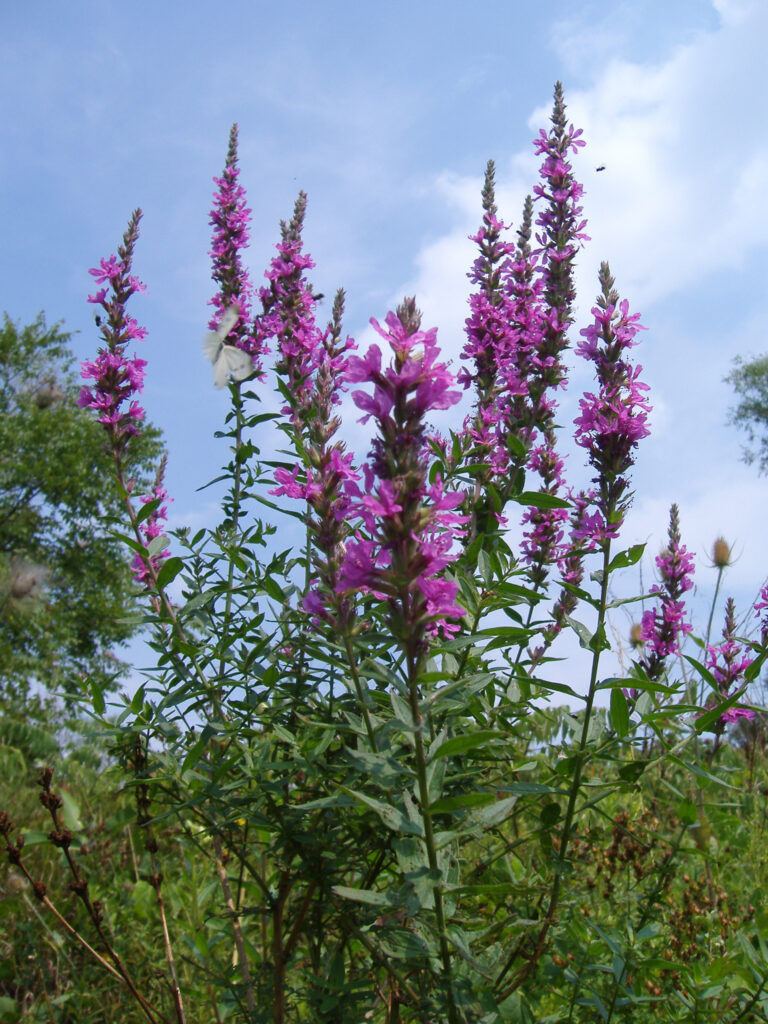
Purple Loosestrife
Why it matters:
- Invades wetlands, ponds, and shorelines
- Displaces native vegetation
- Reduces habitat diversity for wildlife and pollinators
- Can form dense stands that dominate wetlands
Identification Tips:
- Tall plant with spikes of bright purple flowers
- Typically found near water or in damp soils
Blooms during mid to late summer
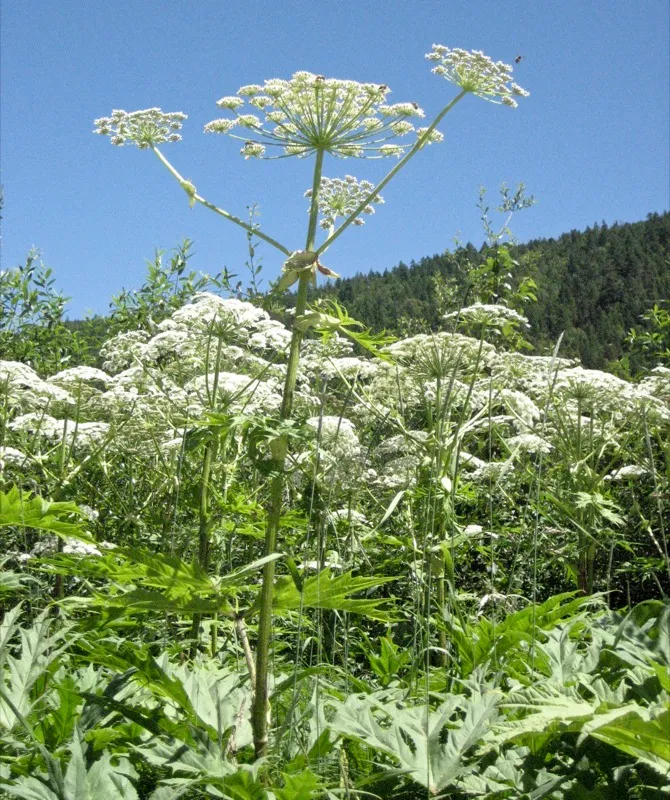
Giant Hogweed
Why it matters:
- An invasive plant that can grow several metres tall
- Spreads rapidly through seed production
- Can outcompete native vegetation
- Sap may cause severe skin irritation and blistering when exposed to sunlight
- Can pose risks to people, pets, and local ecosystems
Identification Tips:
- Extremely large plant, often over 2 metres tall
- Large umbrella-shaped clusters of white flowers
- Thick green stems with purple blotches and coarse hairs
If you believe you have identified Giant Hogweed, avoid handling the plant and contact appropriate municipal or provincial authorities for guidance.
Proper identification is important, as Giant Hogweed can be confused with several harmless native species.